• 2 min read
How to Build a One-Bag Travel Camera Kit That Doesn't Break Your Back
From packing cubes to focal length discipline: a field-tested blueprint for traveling with a full-frame body, two lenses, compact audio, and zero checked luggage.

Nothing ruins the joy of travel photography faster than a 15-kilogram camera backpack. You step off the train in Milan or Tokyo, your shoulders are aching within an hour, and by day three, the giant 70-200mm f/2.8 zoom stays buried in your hotel room while you end up taking snapshots with your phone. Over the last five years of constant international travel, I refined a strict one-bag camera setup that fits beneath an airline seat, weighs under 5 kilograms, and covers 98% of photographic scenarios.
Step 1: The Two-Lens Discipline
The heaviest trap in travel gear is the 'just in case' zoom lens. Standard 24-70mm f/2.8 workhorses weigh nearly a kilogram on their own and draw immediate attention on city streets. Instead, adopt the classic two-prime discipline: a fast wide prime (28mm or 35mm f/1.8) paired with a compact portrait prime (50mm or 85mm f/1.8).
A 35mm lens lives on the camera body 80% of the day, handling street documentary, architecture, and environmental portraits with natural perspective. The 85mm comes out for compressed street portraits, architectural details, and low-light evening frames. Together, the two lenses weigh less than half of a single f/2.8 zoom, take up a fraction of bag space, and deliver sharper optics with superior f/1.8 light gathering.
Step 2: Pocket Lighting That Works Anywhere
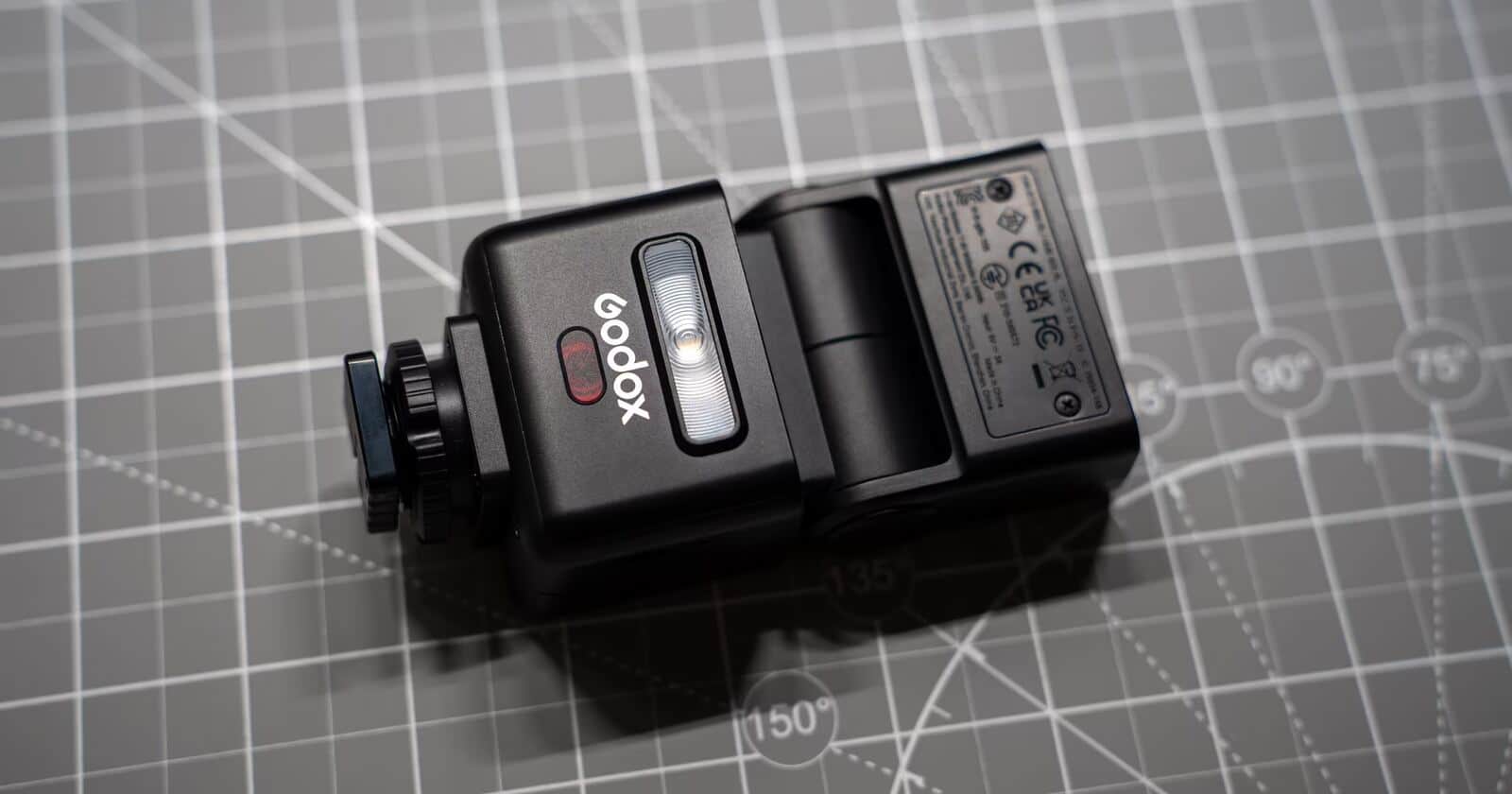
Bringing a full-size speedlight on vacation is miserable, but having no flash means missing out on creative directional light and harsh-sun fill. The solution is ultracompact modular lighting like the Godox iT32 and X5 system. Weighing under 200 grams, it slips into a jacket pocket and lets you shoot handheld off-camera flash anywhere in seconds.
Step 3: The Unified USB-C Power Architecture
Leave proprietary wall cradles and tangled cables behind. Every single item in your travel bag—camera body, laptop, phone, headphones, and flash—must charge via USB-C. Carry a single 100W or 140W GaN wall charger with three USB-C ports, paired with two high-wattage braided cables. This single brick charges your laptop, fast-charges your camera batteries inside the body overnight, and powers your phone at the bedside.
Step 4: Bag Architecture: Backpack vs Modular Sling
The ideal packing setup splits into two tiers: a 20L to 28L carry-on backpack that holds your clothes and laptop, inside of which sits an ultra-lightweight 6L to 9L camera sling (such as a Bellroy or Peak Design Everyday Sling). When you board the plane, the sling stays packed inside your main bag. Once you reach your accommodations, you dump your clothing, transfer your camera body, extra lens, and passport into the sling, and explore the city with total freedom.
Frequently asked questions
What if I miss a shot because I don't have a telephoto zoom?+
Modern 33MP to 61MP sensors allow substantial in-camera cropping. A sharp 85mm prime cropped to 135mm equivalent produces clean, publishable results that far outweigh the physical burden of hauling a 70-200mm zoom.
Are primes difficult to change quickly on busy streets?+
With a modern sling bag worn on your chest, dropping a lens into a padded divider and mounting the second takes less than ten seconds. In practice, sticking to one focal length for several hours actually trains your eye and yields stronger compositions.

Founder & Tech Reviewer
Sergey Kuznetsov is a technology journalist, product manager, and founder of for(geeks) and itzine.ru. With over 15 years testing consumer electronics, cameras, hardware, and audio gear, he writes hands-on reviews, technical deep-dives, and honest real-world opinions.